

OSHA 1910 Regulations and Industrial Safety Compliance
The Occupational Safety and Health Administration (OSHA) 1910 regulations form the backbone of workplace safety standards for general industry in the United States. Established under the Occupational Safety and Health Act of 1970, these regulations are designed to ensure that employers provide a safe and healthful working environment for their employees.
OSHA 1910 covers a wide range of topics, from hazard communication and personal protective equipment to machine guarding and emergency procedures, making it essential for businesses in manufacturing, fabrication, and industrial sectors to understand and comply with these standards.
Key Components of OSHA 1910
OSHA 1910 is divided into multiple subparts, each addressing specific aspects of workplace safety. Some of the most critical areas include:
- Hazard Communication (HCS): Employers must inform and train employees about hazardous chemicals in the workplace, ensuring proper labeling, access to safety data sheets, and comprehensive training programs.
- Personal Protective Equipment (PPE): Employers are required to assess workplace hazards and provide appropriate PPE, such as eye, face, respiratory, and head protection, to safeguard workers from potential injuries.
- Machine Guarding: All machinery must be equipped with guards or protective devices to prevent accidental contact with moving parts, reducing the risk of serious injuries.
- Walking-Working Surfaces: OSHA mandates safety requirements for floors, aisles, stairways, and ladders to prevent slips, trips, and falls.
- Lockout/Tagout (LOTO): This standard ensures that machinery is properly shut off and cannot be restarted during maintenance or repair, protecting workers from unexpected energization.
- Emergency Procedures: Employers must establish protocols for handling emergencies such as fires, chemical spills, or accidents, including evacuation plans and first aid training.
Industrial Safety Compliance: Why It Matters
Compliance with OSHA 1910 is a legal requirement for most businesses operating in the industrial sector. Beyond avoiding fines and penalties, adherence to these standards offers several key benefits:
- Reduced Workplace Injuries: Implementing OSHA-compliant safety measures significantly lowers the risk of accidents, injuries, and fatalities.
- Improved Productivity: A safe workplace leads to fewer disruptions, less downtime, and higher employee morale, all of which contribute to increased productivity.
- Enhanced Reputation: Companies known for prioritizing safety are more attractive to clients, partners, and prospective employees.
- Lower Insurance Costs: Fewer workplace incidents can result in reduced workers’ compensation premiums and other insurance-related expenses.
OSHA 1910 and Steel Fabrication: Focus on Storage Tanks and Mixing Tanks
This overview highlights key OSHA requirements related to the design, construction, and maintenance of storage tanks handling flammable or hazardous materials.
Storage Tanks
Storage tanks, particularly those used for flammable or hazardous materials, must adhere to strict design, construction, and maintenance standards per OSHA 1910.106:
- Tanks must be constructed of noncombustible materials, typically steel, and designed according to recognized engineering practices.
- Adequate venting is required to prevent pressure build-up or vacuum conditions that could compromise tank integrity.
- Tanks must be equipped with devices to relieve excessive internal pressure, especially in the event of exposure to fire.
- Proper labeling, security, and regular inspections are mandatory to ensure ongoing safety and compliance.
Related read: API 650 Standards and Their Importance in Storage Tank Fabrication
Mixing Tanks
Mixing tanks, often used in chemical processing or food production, also fall under OSHA’s purview. Key safety considerations include:
- Confined space entry protocols must be followed, as tanks can present atmospheric hazards.
- Lockout/tagout procedures are essential during maintenance to prevent accidental energization or movement of mixing equipment.
- Fall protection and safe access (such as ladders and platforms) are required for workers performing tasks on or around tanks.
- Regular training and competency assessments for employees working with or around mixing tanks help maintain a safe environment.
Best Practices for Achieving and Maintaining Compliance
Maintaining OSHA 1910 compliance in steel fabrication requires a proactive and systematic approach to workplace safety.
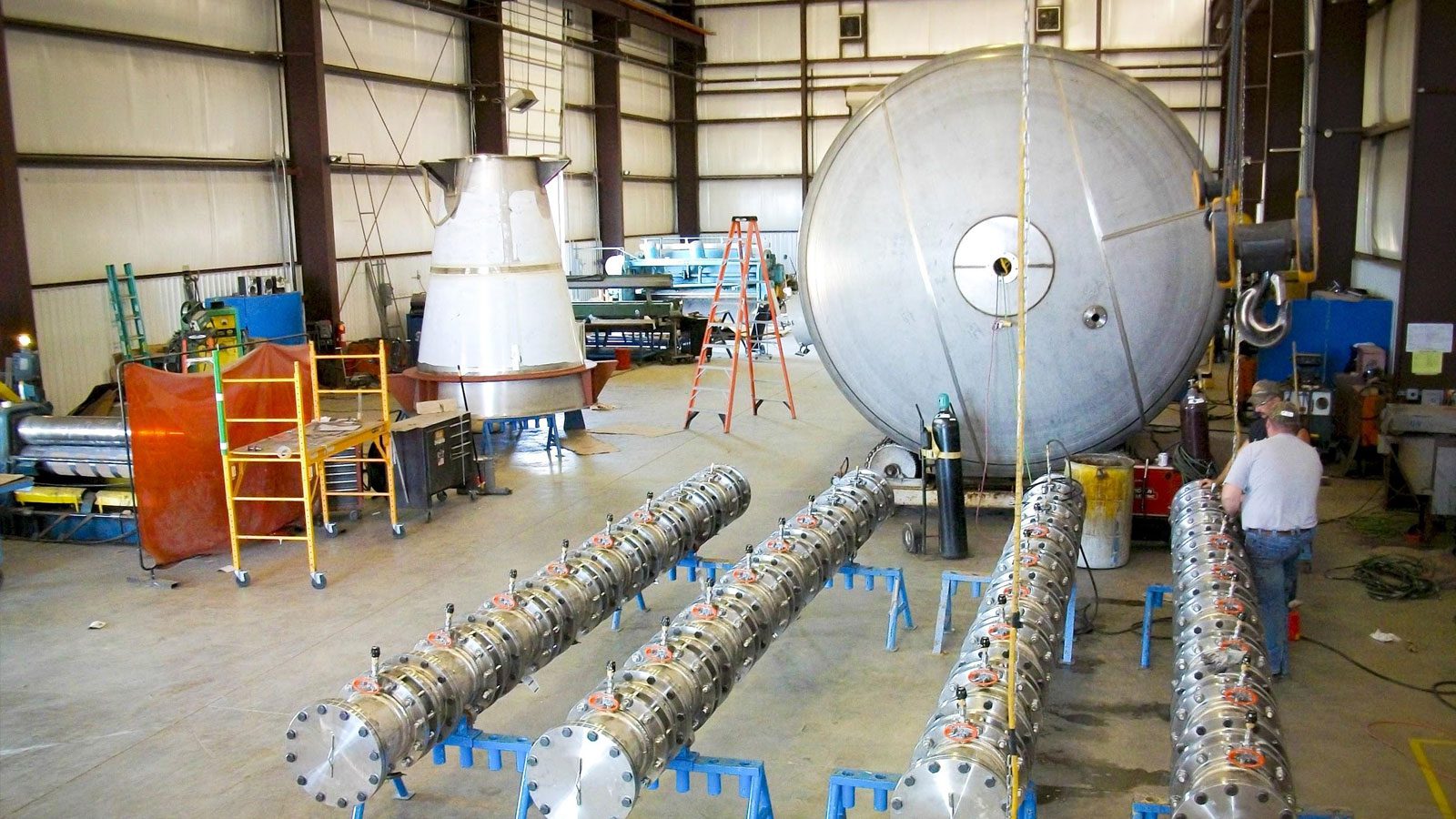
Implementing best practices ensures not only regulatory adherence but also a safer environment for all employees involved in the fabrication, handling, and maintenance of storage and mixing tanks.
- Develop a Safety Management System (SMS): Establish clear safety policies, define roles and responsibilities, and implement procedures for hazard identification, risk assessment, and incident reporting.
- Conduct Regular Training: Ensure all employees receive initial and ongoing safety training tailored to their specific roles and the hazards they may encounter.
- Perform Routine Inspections and Audits: Regularly inspect equipment, facilities, and processes to identify potential hazards and verify compliance with OSHA standards.
- Maintain Detailed Documentation: Keep comprehensive records of training, inspections, incidents, and corrective actions to support compliance and continuous improvement.
- Leverage Technology: Utilize digital tools for real-time monitoring and compliance management to streamline processes and enhance oversight.
Related read: Understanding ASME Section VIII and Its Role in Vessel Design
OSHA 1910 Compliance Starts With the Right Fabrication Partner
At Gilbert Industries, workplace safety is part of our company culture. As a steel fabricator serving Sparta, MO, and beyond, we integrate OSHA 1910 principles into every stage of our work, from design and welding to on-site assembly.
Let our experience in OSHA-aligned fabrication help you meet your safety goals, reduce risk, and ensure compliance across every aspect of your operation.